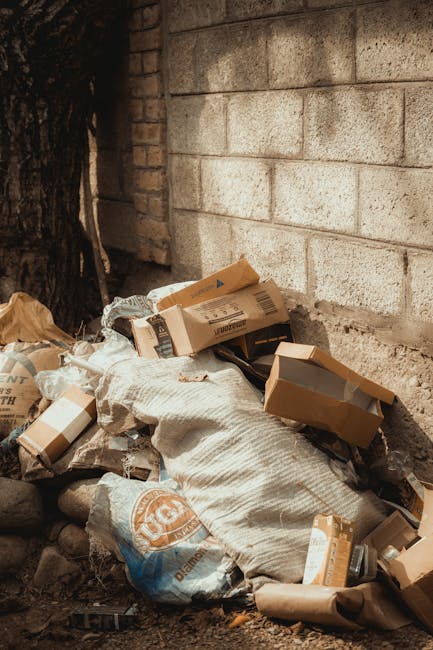
Avoid hidden fees in Islington rubbish removal quotes: a practical guide for clear, fair pricing
If you have ever asked for rubbish removal and then felt a bit uneasy when the final bill arrived, you are not alone. The phrase Avoid hidden fees in Islington rubbish removal quotes matters because a cheap headline price can hide labour charges, congestion surprises, stair fees, or disposal add-ons that only appear later. In a busy part of London like Islington, where access, parking, and property layouts can all affect the job, knowing what to ask upfront can save you money and a fair bit of stress.
This guide breaks down how hidden fees happen, what a genuinely clear quote should include, and how to compare providers without getting caught out. You will also find a checklist, a simple comparison table, and a few real-world pointers from the sort of jobs people actually book: flat clearances, bulky furniture removal, garden waste, and office clear-outs. Let's make the pricing side feel a lot less mysterious.
Table of Contents
- Why hidden fees in rubbish removal quotes matter
- How clear rubbish removal pricing works
- Key benefits and practical advantages
- Who this is for and when it makes sense
- Step-by-step guidance
- Expert tips for better results
- Common mistakes to avoid
- Tools, resources and recommendations
- Law, compliance, standards, and best practice
- Options, methods, and comparison table
- Case study or real-world example
- Practical checklist
- Conclusion
- Frequently asked questions
Why hidden fees in Islington rubbish removal quotes matter
A rubbish removal quote should help you make a decision, not create a puzzle. The problem with hidden charges is not just the extra cost; it is the uncertainty. You might compare two quotes and think you have found the better value, only to discover that one price included loading, labour, disposal and VAT while the other quietly left those things out. That is where people get caught.
In Islington, this can happen more easily than you might expect. Many homes are in flats, terraces, converted buildings, or shared properties with tight hallways and awkward staircases. A van may not be able to park right outside. A team may need more time to carry items down several floors. None of that is unusual, but if a company does not explain how those factors affect pricing, you may end up paying for the surprise rather than the service.
To be fair, not every additional charge is unfair. Some jobs genuinely take longer or require more staff. The real issue is transparency. A proper quote should tell you what is included, what might change the price, and which details the company needs to give a reliable estimate in the first place.
Practical truth: the cheapest quote on paper is rarely the cheapest job overall if it leaves out loading time, access issues, or disposal fees.
This matters even more if you are arranging a move, a flat clearance, or a last-minute declutter and need a service you can trust. Nobody wants a five-minute booking turning into a long discussion beside a pile of bags in the hallway. Been there, done that, and it is never fun.
How clear rubbish removal pricing works
Good rubbish removal pricing is usually built from a few basic parts. Once you understand those parts, spotting hidden fees becomes much easier.
1. Volume or load size
Many companies price jobs based on how much space your waste takes in the vehicle. That might be described as a quarter load, half load, three-quarter load, or full load. Some use cubic yards or cubic metres. The important bit is that the method should be explained clearly. If a provider only gives a vague "from" price and refuses to say how the final amount is worked out, that is a warning sign.
2. Labour and time on site
Some quotes include labour within the load price, while others add a separate charge for carrying items, waiting time, or extra manpower. In a flat in Islington with several flights of stairs, this can make a big difference. Ask whether the quote assumes ground-floor access, one person, two people, or a full crew.
3. Access and parking conditions
Access matters more in London than many people expect. If the van cannot park close to the property, the team may need longer on site. If permits, congestion, or restricted access apply, that should be discussed before collection day. It is not about nit-picking. It is about reality.
4. Waste type
Not all waste is equal. General household rubbish is different from sofas, fridges, garden waste, builders' debris, confidential paperwork, or hazardous materials. Some items need special handling or disposal routes. For example, an item like a fridge or freezer can have different handling needs compared with bags of old clothes. If the company offers fridge and appliance removal, ask what is included and whether any extra handling fee applies.
5. Disposal and recycling charges
Disposal costs can vary depending on the waste stream. A trustworthy provider should explain whether recycling, transfer station charges, or environmental fees are already built into the quote. If you are comparing providers, check whether one company is quoting net of disposal and another is quoting all-in. That small difference can change the final bill quite a bit.
6. VAT and taxes
This sounds boring, but it matters. Some quotes look lower because VAT is not included in the headline figure. Others are fully inclusive. If a price seems oddly attractive, ask whether it is inclusive of VAT before you compare it with anything else. Otherwise you are comparing two different things and calling it a shortlist.
The simplest way to think about it is this: a clear quote should explain what is being collected, where it is being collected from, how much there is, and what conditions affect the work. That is the basic standard. Nothing fancy, just clear.
Key benefits and practical advantages
When quotes are transparent, the job is easier for everyone. The benefits are practical, not just financial.
- More accurate budgeting: You know the likely final cost before anyone turns up.
- Less stress on collection day: No awkward back-and-forth when the team arrives.
- Faster decisions: Clear pricing makes comparison simpler.
- Better trust: Honest quoting is usually a sign of a better-run business.
- Reduced risk of disputes: Everyone starts from the same understanding.
- Cleaner service match: You can pick the right service for a flat, office, garage, loft, or garden.
There is also a subtle benefit people often miss: clarity helps you decide what to keep and what to let go. If you know a sofa costs one amount and an extra mattress adds another, you are more likely to sort items properly in advance rather than leave the team to guess. That can save time and reduce the chance of surprise costs.
For example, someone clearing a cluttered spare room might first consider general rubbish removal, but if there are also old cupboards, broken chairs, and a pile of bags in the loft, a more specific service such as loft clearance or house clearance may be a better fit. Matching the job to the service often makes the pricing more straightforward.
Who this is for and when it makes sense
This advice is useful for almost anyone booking waste removal in Islington, but it is especially helpful if your job is not perfectly simple. If you live in a top-floor flat, own a busy rental property, manage an office move, or are clearing a home after years of accumulated bits and pieces, pricing can get messy fast.
It also makes sense if:
- you are comparing several rubbish removal quotes and want a fair like-for-like check;
- you need a same-day or next-day collection and do not want rush charges sneaking in;
- you have bulky items that are awkward to carry;
- you are dealing with garden waste, builders' waste, or mixed loads;
- you want to avoid ending up with a bill that feels larger than the mountain of stuff it removed.
People booking a one-off declutter sometimes assume all waste removal works the same way. It does not. A garden tidy-up in a small back yard is one thing; a full office clear-out with confidential shredding and old furniture is another. Likewise, a one-bedroom flat clearance is not the same as a garage full of random storage boxes and half-forgotten tools.
If your job is business-related, a service like business waste removal or office clearance may be more appropriate than a generic domestic collection. That matters because the quote should reflect the actual handling requirements, not just the pile of stuff in front of the door.
Step-by-step guidance
If you want to avoid hidden fees, the best approach is simple: give enough detail before you book, then read the quote carefully before you say yes. Here is a practical way to do it.
- List exactly what needs removing. Include furniture, bags, appliances, garden waste, mattresses, office items, and anything awkward. A quick phone estimate is fine, but photos are better.
- Describe access honestly. Mention stairs, basements, narrow hallways, parking restrictions, or if the property is above ground floor.
- Ask what the price includes. Labour, loading, disposal, VAT, and recycling should all be clear. If they are not, ask.
- Check for extra fees. Look for stairs fees, minimum charges, congestion or parking costs, missed collection charges, heavy-item fees, or charges for special waste.
- Confirm the waste type. Mixed household waste, furniture, appliances, builders' debris, or hazardous items may follow different rules.
- Request the quote in writing. A written quote is much easier to compare and refer back to later.
- Check the booking terms. Find out what happens if the load is bigger than described, if access is worse than expected, or if you need to reschedule.
- Compare more than price. Clear terms and responsive communication often matter more than shaving off a small amount.
A small real-world detail makes a difference here. If you are clearing an Islington flat on a Tuesday morning, for example, and you know the road is awkward for parking, mention that early. The company can then factor in timing and access before the van arrives, instead of discovering it in the middle of the job when everyone is already carrying boxes and trying not to block the pavement.
A quick question worth asking
"Is this a fixed quote or an estimate, and what could change it?"
That one line can save a lot of trouble. It gets straight to the point without sounding difficult. A decent company should answer clearly and without fuss.
Expert tips for better results
In our experience, the best way to reduce pricing surprises is not to interrogate every line like a tax inspector. It is to give the company the right information early and watch how they respond. The answer tells you quite a lot.
Tip 1: Use photos, not just descriptions
Photos are often the most helpful pricing tool. A picture of the items, the staircase, the hallway, and the exit path tells a much fuller story than "a few bits of furniture." What looks like a "few bits" from the kitchen can become a van full once everything is stacked by the door. Funny how that happens.
Tip 2: Ask whether the quote is all-inclusive
"All-inclusive" should mean something specific. It ought to cover agreed labour, loading, transport, disposal, and VAT if applicable. If the company uses that phrase loosely, pin them down politely. It is worth it.
Tip 3: Confirm special items separately
Items such as fridges, mattresses, paint tins, rubble, chemicals, or confidential papers may need separate handling. If you are also planning to dispose of a bulky sofa or bed, a specialist service such as mattress and sofa disposal or furniture clearance may give a more accurate quote than a generic load description.
Tip 4: Check whether the company explains recycling
A transparent business will usually be open about how it sorts and routes waste. That is not just about being environmentally sound; it can also help explain pricing. For instance, a company with clear recycling and sustainability practices may separate reusable and recyclable materials more carefully, which can shape how the job is estimated.
Tip 5: Keep the job scope tight
If you start with a small clearance and then add "oh, and could you take these as well?" you may move into a different price band. That is normal. The trick is to know it is happening, not discover it after the van doors close.
One more thing. If a quote feels rushed, vague, or oddly casual, trust your instincts. You do not need to be rude. Just keep looking.
Common mistakes to avoid
Most hidden-fee problems come from a few predictable mistakes. The good news is they are easy enough to avoid once you know them.
- Accepting "from" pricing without asking for the final conditions: The starting price may be real, but it may not be relevant to your job.
- Not mentioning access issues: Stairs, distance from parking, or narrow passages can affect the quote.
- Forgetting about bulky or special items: Sofas, fridges, mattresses, and hazardous waste may need separate treatment.
- Comparing inclusive and exclusive quotes as if they were the same: They are not.
- Ignoring minimum charges: A small load can still trigger a minimum fee, which is fine if you know in advance.
- Assuming disposal is always included: It usually should be, but ask anyway.
- Booking before checking the terms: A five-minute read can prevent a frustrating phone call later.
Another mistake is choosing purely on confidence. A smooth sales pitch is not the same thing as a clear quote. Some of the best companies are simply straight about the details. No drama, no fluff, just the facts.
Tools, resources and recommendations
You do not need fancy software to protect yourself from hidden charges. A few simple tools and habits are enough.
What to prepare before asking for a quote
- A rough list of everything to be removed
- Photos of the waste and access route
- The postcode and floor level
- Notes on parking or access restrictions
- Any items needing special handling
Useful service categories to consider
Different jobs often benefit from different service types. For example, home clearance works well for broader domestic jobs, while garage clearance or garden clearance can suit more specific clear-outs. If the job involves trade waste or renovation leftovers, builders waste clearance may be the better route.
Company policies worth reading
It sounds dull, but the supporting pages often tell you a lot about how a company works. Pricing terms, payment details, insurance, and complaints procedures can be useful clues. If a business is clear about pricing and quotes, payment and security, and insurance and safety, that usually points to a more organised operation.
For some people, it is also useful to look at a company's general information pages such as about us and complaints procedure. Those pages should not be performative filler. They should help you understand how issues are handled if something changes on the day.
Law, compliance, standards, and best practice
This part deserves a calm approach. Waste removal in the UK is not just a matter of lifting things into a van and hoping for the best. Reputable operators should work within the relevant waste handling rules and use proper disposal channels. As a customer, you do not need to memorise the law, but you do benefit from knowing what good practice looks like.
In plain English, a trustworthy waste carrier should be able to explain where your waste goes, how it is handled, and how special items are separated. If a provider seems vague about disposal routes or does not want to discuss waste type, that is a problem. If they are transparent about their processes and safety measures, that is a strong sign.
For householders and businesses alike, a few practical standards matter:
- Clear written quotes: useful for record-keeping and avoiding disputes.
- Transparent pricing: any likely extras should be disclosed before the job begins.
- Safe handling: items should be moved without unnecessary risk to people or property.
- Proper waste separation: recyclable and non-recyclable materials should be managed sensibly.
- Data security for office clearances: if paperwork or devices are involved, ask about confidential shredding or secure disposal.
If your clearance includes documents, using a service such as confidential shredding can be a practical safeguard. Again, the important part is not the label. It is whether the pricing and handling are explained clearly before collection.
Best practice from a customer point of view is simple: ask questions, keep the quote in writing, and do not be rushed into agreeing to vague terms. A reputable provider should respect that. If they do not, well, there are easier ways to spend your morning.
Options, methods, and comparison table
Different rubbish removal approaches suit different situations. Comparing them side by side helps you see where hidden fees are most likely to appear.
| Method | Best for | How pricing often works | Hidden-fee risk | What to check |
|---|---|---|---|---|
| All-inclusive collection | Simple household or mixed loads | One quoted price based on load and access | Lower, if clearly defined | VAT, labour, disposal, and access terms |
| Load-based pricing | Medium to large clearances | Charged by volume used in the vehicle | Moderate | How the load is measured and what happens if it grows |
| Item-specific removal | Bulky single items like sofas or appliances | Price per item or item type | Moderate | Whether stairs, heavy lifting, or special handling costs extra |
| Clearance service | Lofts, garages, homes, or offices | Based on volume, labour, and access | Variable | Whether the quote includes packing, sorting, and disposal |
| Special waste service | Hazardous or regulated items | Usually tailored to the material | Higher if poorly explained | Documentation, handling process, and exclusions |
If your job is straightforward, an all-inclusive quote can be easiest to understand. For more complex jobs, a detailed clearance quote may still be perfectly fair, but only if the company explains how it is built. The method itself is not the problem. Mystery is the problem.
For small, specific jobs, furniture-related services like furniture disposal may be enough. For more varied household waste, waste removal can cover broader needs. Choosing the right method from the start often prevents awkward add-ons later.
Case study or real-world example
Here is a simple real-world style example. A resident in a third-floor Islington flat needs to clear a broken sofa, two armchairs, several black bags, and a small fridge. The first quote they receive looks cheap at a glance. But the price assumes ground-floor access and no appliance handling. By the time stairs and the fridge are added, the total climbs noticeably.
They then ask a second provider for a written quote after sending photos of the items, the stairwell, and the entrance. This provider explains that the price includes two-person loading, appliance removal, disposal, and VAT, but that parking delays could affect the timing if the street is busy. The final quote is higher than the first headline number, yet it is also far clearer. No surprises. No awkward haggling on the doorstep.
That is the real lesson. A transparent quote is not always the lowest number. But it is often the one that feels calm and manageable on collection day, which matters a lot when you are already juggling keys, lifts, bins, and a neighbour trying to get past with a buggy.
If the job includes a mix of household items and larger pieces, a service like furniture clearance combined with general waste removal may be the most honest way to price it. The key is that the provider explains the split clearly.
Practical checklist
Use this checklist before you accept any Islington rubbish removal quote.
- Have I listed everything that needs removing?
- Have I mentioned stairs, lift access, narrow hallways, or parking limits?
- Do I know whether the quote includes labour, loading, disposal, and VAT?
- Have I asked about extra charges for heavy, bulky, or special items?
- Is the quote written down, not just spoken on the phone?
- Do I understand what could change the final price?
- Have I compared the quote with at least one other provider?
- Does the company explain recycling, disposal, and safety practices clearly?
- Am I booking the right service type for the job?
- Do I feel comfortable that there will be no unpleasant surprises later?
If you can tick most of those boxes, you are in a much better position. Not perfect, maybe, but much better. And honestly, that is usually enough to make the whole process feel manageable.
Conclusion
The easiest way to avoid hidden charges is not to become suspicious of every quote. It is to become a little more informed, a little more specific, and a lot clearer about what your job actually involves. In Islington, where access, parking, property type, and waste volume can all affect the final price, that clarity matters.
Ask for written quotes, describe the job properly, check what is included, and make sure special items or access issues are discussed early. When a provider is open about pricing, you can compare fairly and book with confidence. That is the whole point, really. A rubbish removal service should remove rubbish, not add headaches.
Get a free quote today and see how much you can save.
And if you are still weighing things up, that is fine too. A calm, careful choice almost always pays off in the end.
Frequently Asked Questions
How do I avoid hidden fees in Islington rubbish removal quotes?
Ask for a written, all-inclusive quote that clearly states what is covered, including labour, loading, disposal, VAT, and any access-related costs. Mention stairs, parking issues, and special items upfront.
What extra charges are most common in rubbish removal?
Common extras include stairs fees, heavy-item charges, waiting time, parking or access complications, special waste handling, and VAT if it was not included in the first price you saw.
Should a rubbish removal quote include disposal costs?
It usually should, or at least the quote should state clearly whether disposal is included. If it is not obvious, ask before you book.
Is a fixed quote better than an estimate?
A fixed quote is easier to budget for, but it depends on the accuracy of the information you provide. If the job details are unclear, a good estimate may be more honest until the provider sees the waste in person.
Why do flat clearances sometimes cost more?
Flat clearances can cost more because stairs, lifts, narrow hallways, and limited parking can make the job slower and more labour-intensive. That is especially common in parts of Islington.
How can photos help with pricing?
Photos help the provider judge volume, item type, and access more accurately. They reduce the chance of a mismatch between the quote and the actual job.
Are cheap rubbish removal quotes always a bad sign?
Not always, but a quote that is much lower than the rest can mean something is missing. Check whether it includes labour, disposal, VAT, and any access-related charges.
What should I ask before booking rubbish removal?
Ask what is included, what could increase the price, whether VAT is included, how special items are handled, and whether the quote is fixed or subject to inspection.
Do I need a different service for furniture, garden waste, or office clearances?
Often, yes. Specific services such as furniture clearance, garden clearance, or office clearance can produce a more accurate quote and reduce the risk of add-on charges later.
How do I know if a company is being transparent?
Transparent companies explain their pricing in plain English, answer questions directly, and provide written terms. They should not dodge questions about disposal, VAT, or possible extras.
Can hidden fees appear after the job is finished?
They can, if the terms were unclear at the start. That is why a written quote and a clear agreement before collection matter so much.
What is the safest way to compare multiple quotes?
Compare only like for like. Make sure each quote includes the same services, the same waste type, and the same assumptions about access and labour. Otherwise the cheapest quote may not be the best value at all.
What if I have hazardous or unusual items?
Tell the company immediately. Hazardous waste and unusual materials may need special handling or separate pricing. It is better to mention them early than to add them at the last minute.
Where can I check a provider's policies before booking?
Look for clear pages on pricing, payment, insurance, safety, and complaints. Those pages often tell you more about how a company works than the homepage ever will.