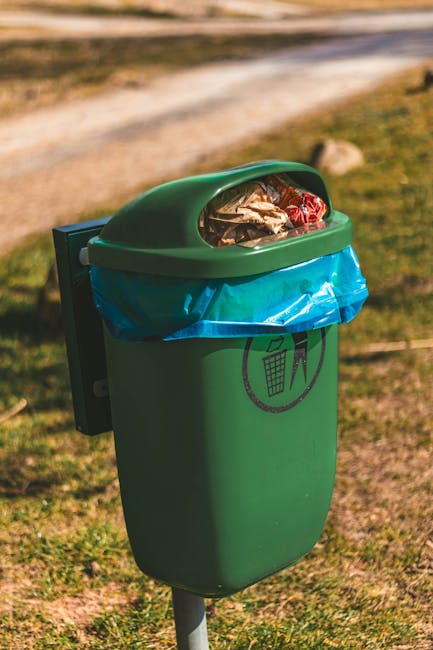
Eco friendly rubbish pickup spots near Canonbury and Essex Road
If you are trying to clear rubbish without making a bigger environmental mess, you are not alone. Finding Eco friendly rubbish pickup spots near Canonbury and Essex Road can feel oddly harder than it should be, especially when you are juggling bulky items, tight pavements, parking restrictions, and the simple reality that most people just want the job done properly. The good news? With a bit of know-how, you can choose a cleaner, more responsible route that keeps usable materials out of landfill and avoids the usual last-minute scramble.
This guide breaks down how eco-friendly rubbish pickup works in practical terms, what to look for nearby, which disposal choices make sense for different types of waste, and where people often go wrong. It is written for everyday local situations: a flat clear-out, an office reset, a garden pile that has got out of hand, or that one awkward mattress leaning against the wall for far too long. Let's make it simpler.
Table of Contents
- Why Eco friendly rubbish pickup spots near Canonbury and Essex Road Matters
- How Eco friendly rubbish pickup spots near Canonbury and Essex Road Works
- Key Benefits and Practical Advantages
- Who This Is For and When It Makes Sense
- Step-by-Step Guidance
- Expert Tips for Better Results
- Common Mistakes to Avoid
- Tools, Resources and Recommendations
- Law, Compliance, Standards, or Best Practice
- Options, Methods, or Comparison Table
- Case Study or Real-World Example
- Practical Checklist
- Conclusion
- Frequently Asked Questions
Why Eco friendly rubbish pickup spots near Canonbury and Essex Road Matters
Eco-friendly rubbish pickup is not just a nice extra. In a busy part of Islington, it can make the difference between a tidy, responsible clear-out and a waste trail that creates extra vehicle trips, mixed loads, and unnecessary disposal costs. Around Canonbury and Essex Road, where homes, flats, side streets, and commercial premises sit close together, the most sensible rubbish pickup spot is often the one that makes sorting and collection easiest without adding clutter to the neighbourhood.
Why does that matter? Because the best waste solution is rarely the one that simply removes the rubbish fastest. It is the one that keeps reusable items in circulation, separates recyclable material correctly, and avoids contamination in the load. A few minutes of sorting at the start can save a lot of trouble later. Truth be told, that is where most people either win or lose the eco part of the job.
There is also the local angle. Narrow streets, limited kerb space, and the usual London stop-start traffic make waste collection a bit more complicated than people expect. If you are planning a pickup spot near Canonbury or Essex Road, you want a collection point that is safe, practical, and easy to access. Not glamorous, but effective. And yes, effective is the point.
For larger household jobs, it can help to think beyond one-off disposal and look at broader clearance options such as home clearance or flat clearance, especially if the waste includes mixed items, furniture, or old storage clutter. If the goal is to reduce landfill impact, service choice matters as much as pickup location.
How Eco friendly rubbish pickup spots near Canonbury and Essex Road Works
In simple terms, an eco-friendly rubbish pickup spot is the place where waste is staged for collection in a way that makes sorting, loading, and reuse or recycling more efficient. That might be a front drive, a managed communal area, a loading bay, a private forecourt, or a carefully planned kerbside pickup point where access is permitted. The spot itself is not "eco" because of the pavement. It becomes eco-friendly because of what happens there.
Usually the process looks like this:
- Separate the waste streams before collection. Cardboard, metals, wood, green waste, electricals, furniture, and general rubbish should not be dumped into one unthinking pile if recycling can be improved.
- Keep recyclable and reusable items visible. A chair that can be repaired or a shelf that can be reused is very different from general waste.
- Use the smallest practical collection route. Fewer trips often mean lower emissions and less disruption.
- Match the pickup method to the waste type. Garden waste, construction debris, and office rubbish each need different handling.
- Ensure the load is safe and lawful. Hazardous or restricted items need specialist handling rather than a general pickup.
There is also the question of where people actually place the rubbish. Near Essex Road, for example, some pickup spots work better because they reduce carrying distance from the property to the vehicle. That matters more than it sounds. If your collection point is too far from the front door, waste often gets dropped in stages, which slows everything down and can create mess. Nobody wants bags splitting on a damp pavement at 8am. Nobody.
For mixed domestic waste, a professional waste removal approach can be more efficient than multiple ad hoc trips to different places. When there are bulky items involved, a focused service like furniture disposal or mattress and sofa disposal can help keep reusable materials separate instead of crushing everything into one mixed load.
Key Benefits and Practical Advantages
The appeal of eco-friendly rubbish pickup is pretty straightforward once you strip away the buzzwords. It is cleaner, more organised, and usually less wasteful. But the practical benefits go a bit further than that.
- Better recycling rates because materials are separated before collection.
- Less landfill reliance when reusable and recyclable items are recovered properly.
- Lower handling risk if sharp, heavy, or awkward items are staged correctly.
- Less disruption for neighbours, residents, or staff when the pickup point is well planned.
- Faster collection times because crews are not sorting through a messy pile on the fly.
- More predictable pricing when the waste type and volume are clear from the outset.
There is also a quieter benefit that people notice after the fact: peace of mind. When you know the waste has been handled responsibly, you do not keep thinking, "Did that actually go to the right place?" That's worth something, honestly.
If your clear-out involves business premises as well as domestic waste, it may be worth looking at business waste removal or office clearance. Commercial waste tends to need a more structured process, especially if paper, electronics, packaging, and confidential material are all mixed together.
For people who want to understand what kinds of loads are usually accepted and what should be separated, the page on what can go in a skip is a useful reference point. It helps set expectations, even if you are not actually using a skip.
Who This Is For and When It Makes Sense
This approach suits anyone trying to dispose of rubbish with a lighter environmental footprint and less hassle. The most common situations near Canonbury and Essex Road are familiar ones.
- Flat residents clearing years of accumulated items from cupboards, lofts, or storage spaces.
- Landlords and letting agents preparing a property between tenancies.
- Homeowners dealing with garden waste, old furniture, or renovation leftovers.
- Small businesses that need regular clearance without turning every pickup into a full waste operation.
- People with bulky items such as wardrobes, appliances, mattresses, or damaged sofas.
- Anyone short on time who still wants to avoid wasteful disposal habits.
It makes sense when the waste is too much for ordinary bins, too mixed for a quick DIY run, or too bulky to shift without planning. It also makes sense when you want to reduce the number of journeys involved. One careful collection is usually better than three rushed ones.
For instance, a family clearing a garden shed near Canonbury might have old plant pots, broken fencing, rusty tools, and bags of green waste. That is not just "rubbish." It is a mix of materials, and each one should be handled a little differently if you want the greener outcome. Same with a shop refit on Essex Road: cardboard, display fixtures, and packaging should not all be treated the same.
Step-by-Step Guidance
If you want a smoother process, start with a plan. Not a spreadsheet and a hard hat, just a simple sequence that keeps the job under control.
- Walk through the space and identify what is going. Be honest about the full volume. The pile always looks smaller until you start moving it.
- Sort by material. Separate furniture, electricals, garden waste, wood, cardboard, and general rubbish where possible.
- Set aside anything reusable. A shelf, chair, table, or storage box might have another life. If not by you, then by someone else.
- Isolate restricted items. Paint, chemicals, batteries, and some appliances need more careful handling.
- Choose a pickup point that is easy to access. Keep it safe, visible, and as close as practical to the collection vehicle's stopping point.
- Confirm timing. A morning pickup can work well if access is easier before the street gets busier.
- Check the loading route. Stairs, narrow hallways, and door widths matter more than people expect.
- Ask about sorting and recycling. A good provider should be able to explain how waste is managed after collection.
A small detail makes a big difference here: label anything that is being kept. It sounds obvious, but it prevents accidental disposal, especially when the room starts looking half-empty and a few similar-looking items are stacked together. Been there. Not ideal.
If the collection includes awkward household items, you might also explore fridge and appliance removal for white goods or furniture clearance for larger items that are too heavy or bulky to manage alone.
Expert Tips for Better Results
To be fair, the eco-friendly part usually comes down to discipline rather than grand gestures. Small decisions, repeated well, create a cleaner result.
- Keep hazardous items separate from everything else. Do not mix chemicals, sharp metal, and cardboard in one staging area.
- Avoid overfilling bags. Split heavy waste into manageable loads so it can be handled safely.
- Plan for access, not just removal. A clear route from the property to the pickup spot saves time and reduces damage risk.
- Reuse before dispose. Even a quick donation or repurpose decision can cut waste significantly.
- Ask whether items can be separated for recycling. A mixed load is not always a disaster, but separation improves outcomes.
- Choose a service that is transparent about disposal. Vague answers are usually a red flag.
One practical trick: put a tarp, cardboard, or old sheet under staged waste if the ground is wet or muddy. This is especially useful for garden waste or items being brought out of a basement or storage area. It keeps the area cleaner and makes the whole process feel less chaotic. Tiny thing, big relief.
For project-based clearances, like a renovation or a room reset, it can be useful to combine planning with services such as builders waste clearance. That is often the cleaner route when you have rubble, timber offcuts, packaging, and old fixtures all at once.
Common Mistakes to Avoid
A lot of waste problems are caused by the same handful of mistakes. Avoid these and the whole process gets easier.
- Leaving everything mixed together, which reduces recycling potential and makes sorting harder.
- Choosing the wrong pickup spot, especially if access is blocked or the route is too long.
- Forgetting about restricted items such as batteries, chemicals, or certain electricals.
- Underestimating the volume and ending up with half the pile left after the collection.
- Ignoring neighbour or building rules in communal blocks and managed properties.
- Not checking what the provider does with collected waste.
Another common one is overconfidence. People think, "It's only a few bags," and then the bags turn into bags plus a broken desk chair, a hoover, two boxes of random cables, and something that appears to be an old lamp from 2009. Suddenly it is a proper job.
For household resets, a service like house clearance or garage clearance may be the better fit than trying to piece everything together yourself. It can be more efficient, and frankly less stressful.
Tools, Resources and Recommendations
You do not need much in the way of specialist tools, but a few basic items make a disposal job much smoother.
- Heavy-duty sacks for general waste and lightweight mixed rubbish.
- Gloves for sharp edges, dirty items, and dusty loft or shed contents.
- Dolly or sack truck for heavier items, where safe and suitable.
- Labels or tape to mark keep, recycle, donate, or dispose.
- Protective sheets to keep stairwells and hallways clean.
- Simple inventory notes if the clearance involves multiple rooms or mixed contents.
As a practical recommendation, use a three-way decision process: reuse, recycle, remove. If you can decide those three outcomes before collection day, the rest is much easier. It also stops the classic "I might need this later" pile from taking over a room forever. We all know that pile.
If privacy-sensitive waste is part of the load, such as old paperwork or files, look at confidential shredding. That is especially relevant for home offices and small businesses. For wet or green outdoor waste, garden clearance is usually the most sensible route.
You can also use recycling and sustainability as a useful reference if you want a clearer sense of how responsible waste handling should be approached from the outset.
Law, Compliance, Standards, or Best Practice
For rubbish pickup in London, compliance matters because waste is not something you can just move around casually and hope for the best. The exact obligations vary depending on the type of waste, who produced it, and whether it is domestic or commercial. So the safest approach is simple: use a provider that handles waste lawfully, separates restricted items correctly, and can explain what happens to the load after collection.
Best practice usually includes the following:
- keeping hazardous waste separate from general waste;
- avoiding contamination of recyclable material;
- using appropriate handling for electricals, fridges, and appliances;
- protecting access routes so waste does not create trip hazards;
- making sure the collection process does not block traffic or create nuisance.
If your waste includes items that might be classed as hazardous or difficult to dispose of safely, use a specialist route rather than trying to combine it with everything else. That is one area where "make do" is not a great strategy. For that reason, hazardous waste disposal and fridge and appliance removal are especially relevant for items that need extra care.
From a practical standpoint, a trustworthy provider should also be clear about safety, insurance, and how collections are managed in busy residential streets. If you want to understand those expectations more fully, the pages on insurance and safety and health and safety policy are worth reviewing.
Options, Methods, or Comparison Table
Different jobs call for different approaches. The right choice depends on what you are throwing away, how quickly it needs to go, and how much sorting you are willing to do. Here is a simple comparison.
| Method | Best for | Eco-friendly strengths | Watch-outs |
|---|---|---|---|
| Manual sorting and staged pickup | Small domestic clear-outs | Good separation of recyclable and reusable items | Can be slow if access is tight or items are heavy |
| Bulky-item collection | Mattresses, sofas, white goods, single large items | Good for isolating specific item types | Not ideal if you have mixed waste as well |
| Full waste removal service | Mixed household or business waste | Often better for sorting and responsible handling | Needs clear description of the load upfront |
| Project clearance | Renovations, office changes, end-of-tenancy jobs | Efficient for larger volumes and mixed materials | Requires good planning to avoid delays |
In many cases, the most practical route is a combination of careful prep and the right service. A flat clearance with furniture, a few electronics, and general rubbish will usually benefit from a more structured approach than a simple bin-side pickup. The less guesswork, the better.
For flats and smaller residential properties, flat clearance is often the most fitting option. For office contents and paperwork, office clearance may be more suitable. And if you are comparing value and planning the next step, pricing and quotes can help you think through the cost side without rushing into a decision.
Case Study or Real-World Example
Picture a typical Saturday near Essex Road. A small family has spent the week clearing a spare room that turned into a storage space over the years. There is an old desk, a broken chair, a couple of boxes of books, some packaging, a tired rug, and a few items that could still be reused if anyone bothered to look at them properly. Nothing dramatic. Just one of those jobs that quietly grows.
Instead of putting everything out as one mixed pile, they sort the contents into three groups: keep, donate or reuse, and remove. The cardboard is flattened. The desk is separated from the general rubbish. The rug is checked to see whether it can still be passed on. The final pickup point is kept near the front access door, so the collection does not require repeated trips down the corridor. Simple enough, but it makes the whole thing calmer.
The difference is noticeable. Less mess, less back-and-forth, and a better chance that recyclable material is handled properly. The family also avoids the awkward moment of discovering that a heavy item has been placed where it blocks the path or gets damp in the rain. That happens more than people admit, especially in London weather, which never seems to care about your plans.
In a different example, a small office near Canonbury clears old filing cabinets, monitors, and boxes of paperwork. They separate confidential material for shredding, keep electricals together, and remove mixed waste in one organised collection. The result is not just a cleaner workplace. It is a clearer process and a far better outcome than stuffing everything into the nearest disposal stream.
Practical Checklist
Use this before collection day so nothing gets missed.
- Have you sorted waste into reusable, recyclable, and general rubbish piles?
- Are any hazardous or restricted items separated?
- Is the pickup spot easy to reach without blocking entrances or neighbours?
- Have you measured or at least eyeballed the volume honestly?
- Are bulky items ready to move first?
- Have you protected floors, hallways, or communal areas where needed?
- Do you know what should stay and what should go?
- Have you checked whether confidential papers need shredding?
- Have you chosen the most suitable clearance type for the job?
- Have you confirmed the timing so the waste is not left out too long?
If you can tick most of those off, you are already ahead of the game.
Get a free quote today and see how much you can save.
Conclusion
Eco-friendly rubbish pickup near Canonbury and Essex Road is really about thoughtful handling: sorting before collection, choosing the right service, and making the pickup point as practical as possible. That combination keeps streets tidier, improves recycling potential, and helps avoid the wasteful habits that creep in when a job feels rushed.
Whether you are clearing a flat, tidying a garden, emptying an office, or getting rid of bulky furniture, the same basic principle applies: make the waste easier to recover responsibly. A little planning goes a long way, and it often makes the day feel less like a chore and more like a proper reset. Which, to be fair, is what most people want in the first place.
Take it one step at a time. Sort well, pick the right pickup spot, and keep the process simple. The cleaner option is usually the calmer one too.
Frequently Asked Questions
What counts as an eco-friendly rubbish pickup spot near Canonbury and Essex Road?
It is any collection point that helps waste be removed safely, sorted properly, and handled with recycling or reuse in mind. The spot itself matters because access, separation, and loading all affect the final outcome.
Can I put all my rubbish out together if I want it collected quickly?
You can, but it is usually not the best option if you want a greener result. Mixed waste is harder to recycle and more likely to end up treated as general rubbish.
What types of waste are best separated before pickup?
Furniture, cardboard, wood, green waste, electrical items, batteries, and any hazardous materials should usually be kept apart where possible. That makes sorting safer and more efficient.
Is furniture better collected separately from household rubbish?
Yes, often it is. Larger items like sofas, tables, and wardrobes are easier to handle when kept separate, and they may be suitable for more focused reuse or recycling routes.
How do I choose the best pickup spot in a flat or shared building?
Pick a place that is accessible, safe, and does not block communal routes. In shared buildings, it is worth checking building rules or speaking to the managing agent before staging waste anywhere visible.
What should I do with broken appliances or white goods?
Keep them separate and use a suitable appliance collection route. Fridges, freezers, and similar items often need more careful handling than standard rubbish.
How do I know if waste is being handled responsibly?
Ask how the waste is sorted after collection, whether recyclable items are separated, and how restricted materials are managed. Clear answers are a good sign; vague ones are not.
Is eco-friendly rubbish pickup more expensive?
Not always. Costs depend on the volume, type of waste, access, and how much sorting is needed. Sometimes better planning reduces the overall cost because the job becomes simpler.
What if I only have a small amount of rubbish?
Small clear-outs can still benefit from organised, eco-friendly collection. Even a few bags, a chair, or a box of mixed bits are easier to manage when you sort them properly first.
Do I need a specialist for hazardous or restricted items?
Usually, yes. Items such as chemicals, certain electricals, and other restricted waste should be handled through the correct disposal route rather than mixed into general rubbish.
How far in advance should I prepare for collection?
Ideally, give yourself enough time to sort the waste and clear access routes properly. For a simple job, that might just mean the day before. For larger clear-outs, a bit more planning helps.
What is the biggest mistake people make with rubbish pickup?
The most common mistake is underestimating the amount of waste and mixing everything together. It sounds small, but it often leads to more hassle, more time, and a worse recycling outcome.